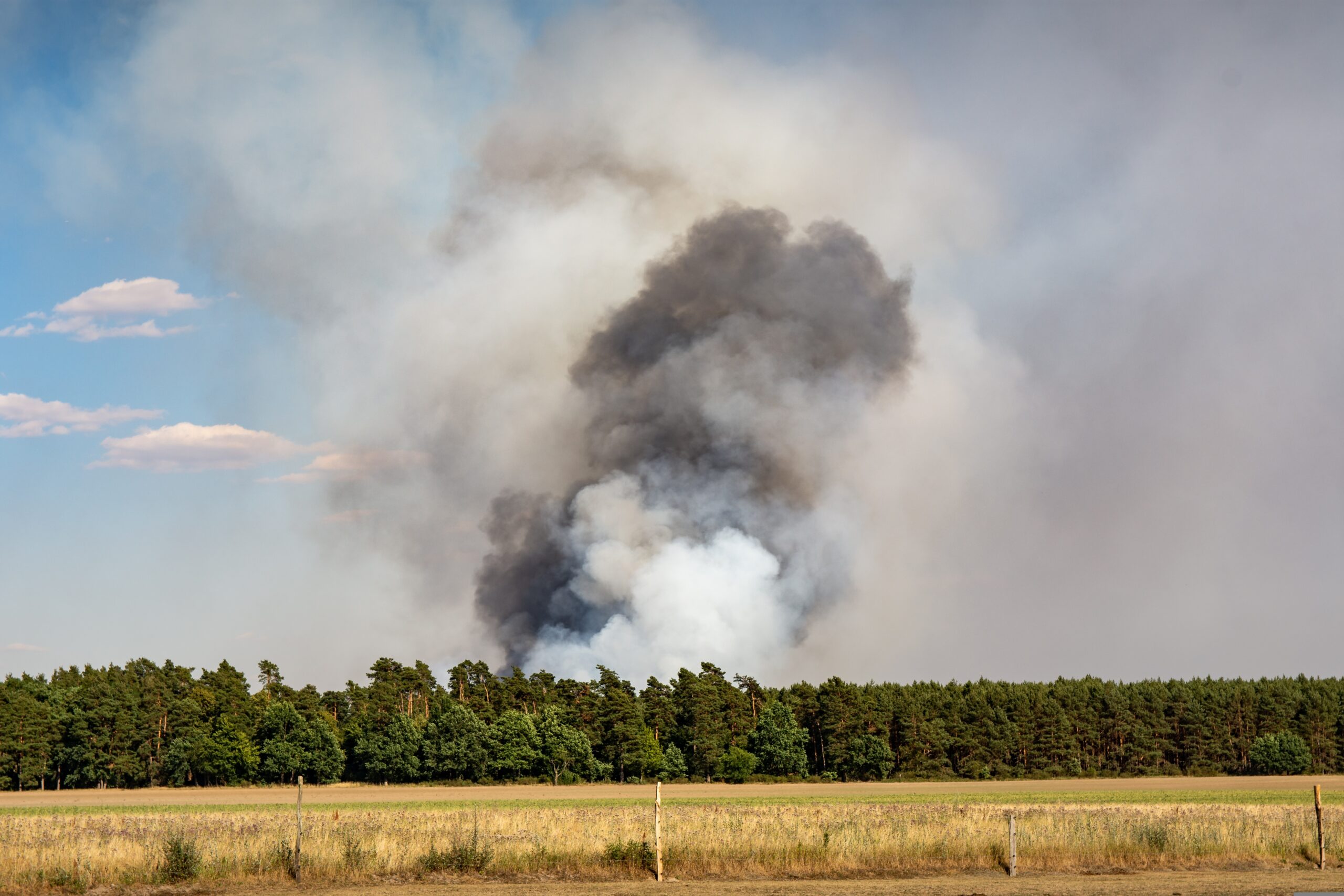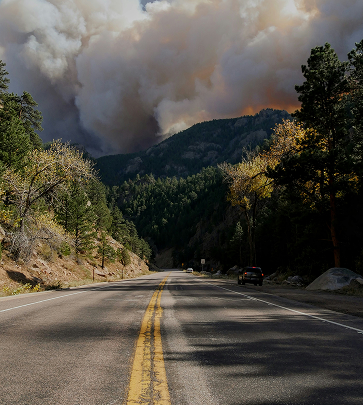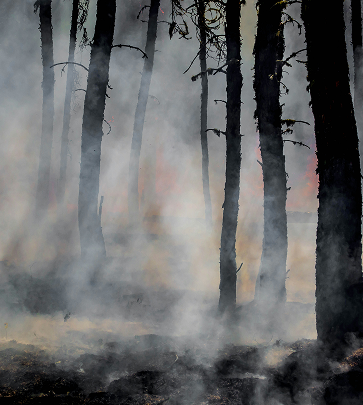
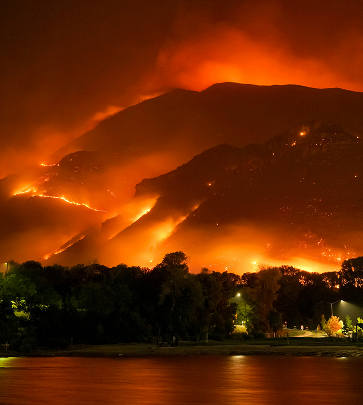
When wildfires dominate the news, the images are dramatic: towering flames, thick smoke billowing into the sky, and fire crews racing to protect homes, forests, and entire communities. Helicopters drop water over burning hillsides while firefighters battle flames on the ground, often working long shifts in dangerous and unpredictable conditions. These powerful scenes capture attention, but they represent only a small part of a much larger and more complex story.
Wildfires are a natural part of many ecosystems. In some forests and grasslands, periodic fires help clear dead vegetation, return nutrients to the soil, and create space for new plants to grow. Many species have adapted to these cycles, and some trees even rely on heat from fires to release their seeds. However, the scale and intensity of modern wildfires are increasing in many regions around the world.
One major factor is climate change. Warmer temperatures and longer dry seasons can dry out vegetation, turning forests and grasslands into fuel. Drought conditions, strong winds, and lightning strikes can then spark fires that spread rapidly across large areas. Human activities also play a role, from accidental ignitions caused by campfires or power lines to the expansion of communities into fire-prone landscapes.
Responding to wildfires requires coordination among many groups. Firefighters are on the front lines, but they are supported by meteorologists, forest scientists, emergency planners, and local governments. Technology such as satellites, drones, and advanced weather modeling helps track fires and predict how they may spread.
Communities are also learning how to prepare and adapt. Homeowners can reduce risks by clearing dry vegetation around their properties, using fire-resistant building materials, and following evacuation plans when necessary. Education and awareness are key parts of wildfire safety.
While wildfires will always be part of natural landscapes, their growing intensity highlights the connection between environmental change, responsible land management, and the need for resilient communities.