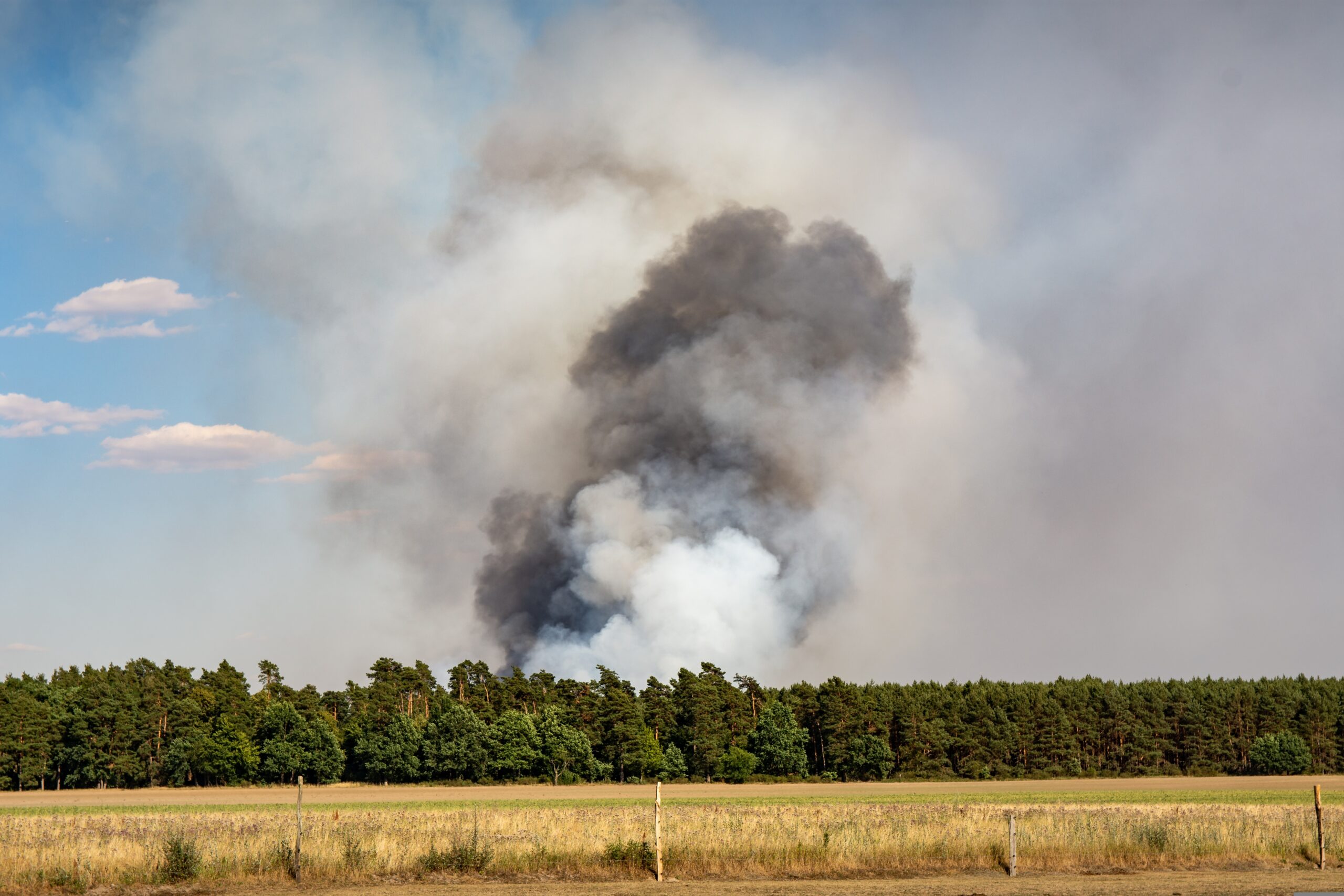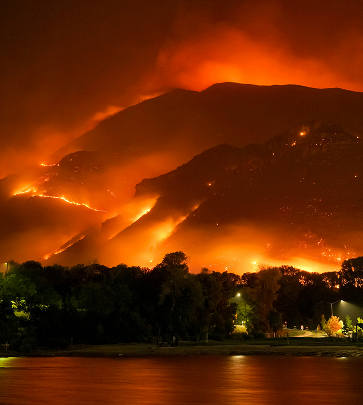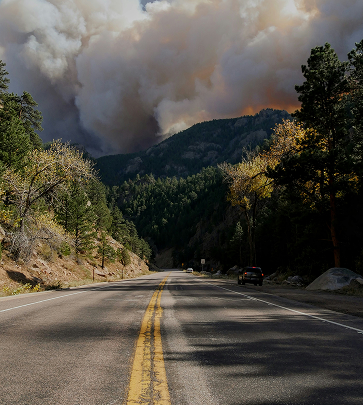
Fireproofing the home ignition zone is a critical step for Canadian homeowners living in wildfire-prone areas. The home ignition zone refers to the area within roughly 30 meters of a house where vegetation, debris, and other combustible materials can directly influence the risk of a home catching fire. By taking practical steps to reduce fuel and create defensible space, homeowners can significantly improve their property’s chances of surviving a wildfire.
The first step is clearing flammable vegetation and debris. Dry leaves, dead branches, and overgrown shrubs should be removed regularly. Trees should be pruned so that branches are at least two to three meters above the ground to prevent fire from climbing. Homeowners should also maintain a safe distance between trees and structures, and avoid planting highly flammable species close to buildings.
Roof and gutter maintenance is another critical measure. Removing leaves, pine needles, and other combustible debris from gutters, roofs, and decks reduces the chance that embers from a wildfire will ignite the home. Using fire-resistant materials for roofing, siding, and decks adds an extra layer of protection.
Water sources, such as hoses, sprinklers, and storage tanks, should be accessible and functional during fire season. Having emergency equipment like fire extinguishers, shovels, and protective clothing nearby ensures homeowners can respond quickly if a small fire starts.
Community awareness and collaboration are equally important. Neighbors can coordinate vegetation management, share resources, and establish communication plans during emergencies. Municipal regulations and local fire safety guidelines often provide specific recommendations for creating defensible spaces and reducing ignition risks.